Introduction
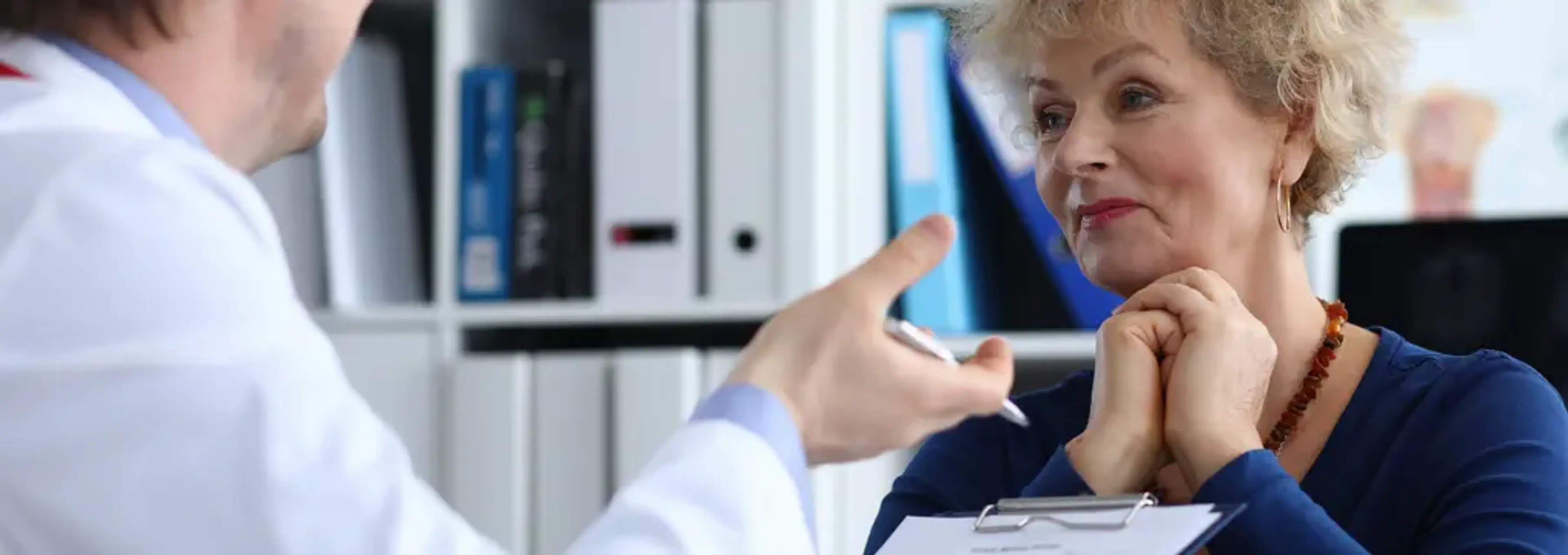
introductionFor more than a decade, Banpo Jeil Korean Medicine Clinic in Seocho-gu, Seoul has been quietly building a reputation as a trusted destination for patients seeking safe, evidence-informed traditional Korean medicine. Founded in 2014 and operated as a focused, small-scale clinic with one main doctor and a limited number of beds, Banpo Jeil offers a level of individualized attention that is often hard to find in larger institutions.
Led by Dr. Byungjin Lee, the clinic blends time-tested Korean medical wisdom with modern clinical thinking, making it a strong choice for both local residents and international visitors looking for holistic yet scientific care.
Where Tradition Meets Modern Clinical Thinking
where-tradition-meets-modern-clinical-thinkingTraditional Korean medicine (TKM) is built on principles such as balance, circulation, and constitutional type, but in a modern city like Seoul—especially in a busy district like Seocho-gu—patients expect more than tradition alone. They want:
Clear explanations
Realistic treatment goals
Safety and hygiene standards comparable to Western clinics
Transparent communication about what traditional medicine can and cannot do
Banpo Jeil Korean Medicine Clinic aligns with these expectations by integrating research-based protocols and outcome-focused thinking into its traditional practice. While Dr. Lee uses classic methods—such as acupuncture, herbal prescriptions, and manual therapy—treatment planning is guided by:
Current clinical research on acupuncture and herbal formulations
Objective measures like pain scales, range-of-motion testing, and symptom score tracking
A cautious, safety-first approach when combining Korean medicine with Western medication or ongoing hospital treatment
This science-backed mindset helps patients feel confident that they are not just “trying something alternative,” but receiving care that takes both tradition and modern evidence into account.
A Small Clinic Designed for Personalized Care
a-small-clinic-designed-for-personalized-careBanpo Jeil is not a massive medical center. It operates on a relatively small scale, with a single main doctor, a handful of beds, and a compact healthcare team. Far from being a disadvantage, this size is actually a strength for patients who value:
Continuity of care – You see the same doctor, not a rotating team.
Deeper doctor–patient relationships – Dr. Lee can follow your progress closely over weeks and months.
Tailored treatment plans – Adjustments are made quickly based on your daily response rather than rigid protocols.
For many chronic conditions—such as long-standing neck pain, stress-related digestive issues, or recurrent headaches—this steady, personalized follow-up can be just as important as the treatment technique itself.
Key Treatment Areas at Banpo Jeil Korean Medicine Clinic
key-treatment-areas-at-banpo-jeil-korean-medicine-clinic
While every patient is evaluated individually, Banpo Jeil commonly supports people with:
1. Musculoskeletal Pain & Posture Problems
1.-musculoskeletal-pain-and-posture-problemsNeck and shoulder stiffness from long office hours
Lower back pain, sciatica-like symptoms
Knee and ankle discomfort from overuse or aging
Here, Dr. Lee may use a combination of acupuncture, chuna manual therapy (Korean-style musculoskeletal adjustment), cupping, and targeted stretching/strengthening guidance. The goal is to relieve pain, restore mobility, and help patients change the habits that caused the problem in the first place.
2. Stress, Insomnia, and Anxiety-Like Symptoms
2.-stress-insomnia-and-anxiety-like-symptomsModern life in Seoul is fast-paced, and Seocho-gu is no exception. Many patients arrive with:
Difficulty falling or staying asleep
Chronic fatigue and “wired but tired” feelings
Stress-related headaches, palpitations, or digestion issues
Traditional Korean medicine views these patterns as imbalances in Qi (energy), blood, and autonomic regulation. Treatment may include:
Gentle acupuncture to calm the nervous system
Warm moxibustion to support circulation
Herbal formulas designed to soothe the mind while strengthening the body
Breathing and lifestyle coaching to support longer-term resilience
3. Digestive and Metabolic Complaints
3.-digestive-and-metabolic-complaintsCommon issues include:
Bloating, indigestion, and irregular bowel movements
Appetite changes related to stress or hormonal shifts
Early-stage metabolic concerns like weight gain and sluggishness
Dr. Lee may use herbal prescriptions, abdominal acupuncture, and dietary guidance tailored to each patient’s constitution. Rather than one-size-fits-all diet advice, recommendations are personalized based on patterns like “cold digestion,” “heat-type stomach,” or “liver–spleen disharmony” in TKM terms.
4. Immune Support & Fatigue
5.-immune-support-and-fatigueFor patients who feel they “catch every cold” or are always low on energy, Banpo Jeil may:
Strengthen foundational vitality with herbal tonics
Use acupuncture to support respiratory function and circulation
Offer practical guidance on sleep, movement, and stress management
While traditional medicine does not replace emergency care or hospital-based treatment, it can be a helpful complement for building resilience and improving daily quality of life.
Core Therapies Offered at Banpo Jeil Korean Medicine Clinic
core-therapies-offered-at-banpo-jeil-korean-medicine-clinicAcupuncture and Electro-Acupuncture
acupuncture-and-electro-acupunctureUses ultra-fine needles at specific points to influence pain, circulation, and nervous system function.
May be combined with mild electrical stimulation (electro-acupuncture) for chronic pain or nerve-related conditions.
Herbal Medicine
herbal-medicineCarefully combined formulas in the form of decoctions, granules, or pills, depending on patient needs.
Formulas are chosen to match the patient’s pattern rather than just the Western diagnosis (e.g., “migraine” or “gastritis”).
Dr. Lee monitors response and safety, especially if you are on Western medications, and may adjust dosage accordingly.
Chuna Manual Therapy
chuna-manual-therapyA Korean medical manual technique that includes joint mobilization, soft tissue work, and posture correction.
Often used for neck and back pain, postural imbalances, and some types of headache.
Cupping and Moxibustion
cupping-and-moxibustionCupping helps relieve muscular tension and improve local circulation.
Moxibustion uses gentle warmth from burning mugwort near acupuncture points to support vitality and circulation, especially in cold-type conditions.
Lifestyle & Rehabilitation Guidance
lifestyle-and-rehabilitation-guidanceA key aspect of science-backed care is empowering patients. Dr. Lee often recommends:
Simple home stretches or exercises
Sleep hygiene and breathing routines
Food and lifestyle modifications matched to each patient’s constitution
This ensures that treatment continues beyond the clinic and helps maintain results long term.
Serving International Patients in Seocho-gu
serving-international-patients-in-seocho-guBanpo Jeil Korean Medicine Clinic is located in Seocho-gu, Seoul, an area well-connected by public transportation and close to major business and residential districts. The clinic is listed as offering services in multiple languages, including English, Russian, Mongolian, and Japanese, making it accessible to a broad range of international patients.
A typical experience for overseas patients might look like this:
Initial Inquiry
First Consultation
Detailed interview about symptoms, lifestyle, and medical history.
Traditional pulse and tongue diagnosis, plus physical examination.
Explanation of the treatment plan, number of expected sessions, and fees.
Treatment Sessions
30–60 minutes per session, depending on the combination of acupuncture, cupping, chuna, or other therapies.
Continuous monitoring of symptom changes and side effects.
Aftercare & Follow-Up
Clear post-treatment instructions: what to avoid, simple diet tips, and suggested home care.
Scheduling of follow-up visits or online check-ins for those returning overseas.
This structure helps international patients feel safe, informed, and fully supported throughout their treatment journey.
Dr. Byungjin Lee: A Personalized, Science-Informed Approach
dr.-byungjin-lee:-a-personalized-science-informed-approachWhile many clinics share similar techniques, the experience often depends on the doctor. Dr. Byungjin Lee brings:
Years of hands-on experience in Korean medicine practice
A calm, communicative style that encourages patients to ask questions
An evidence-informed mindset, staying updated with modern research on acupuncture and herbal safety
Rather than promising miracle cures, Dr. Lee focuses on:
This grounded approach aligns with Google’s emphasis on Expertise, Experience, Authority, and Trustworthiness (E-E-A-T)—and more importantly, it builds real-world trust with patients.
A Decade Milestone: Why Longevity Matters
a-decade-milestone:-why-longevity-mattersOperating continuously since 2014, Banpo Jeil Korean Medicine Clinic has now passed the 10-year mark. Longevity is important in healthcare for several reasons:
Refined clinical judgment – Over thousands of patient visits, the doctor sees patterns, learns what works best, and refines techniques.
Safer, more efficient protocols – Repeated practice leads to smoother, more consistent processes for intake, treatment, and follow-up.
Community trust – A clinic that remains active for a decade in a competitive district like Seocho-gu is likely doing something right—both medically and ethically.
For patients, this means they are stepping into an environment built on more than just theory—it’s strengthened by years of practical experience.
Is Banpo Jeil Korean Medicine Clinic Right for You?
is-banpo-jeil-korean-medicine-clinic-right-for-you
You might consider Banpo Jeil if:
You prefer a holistic approach that looks at the whole person, not just one symptom.
You value scientific thinking, but also want gentler, non-surgical options when appropriate.
You are managing chronic pain, stress, digestive issues, women’s health concerns, or fatigue, and want to combine Korean medicine with conventional care.
You’re an international patient in Seoul looking for a Korean medicine clinic that can communicate clearly in your language.
Before starting any treatment—especially if you have serious medical conditions, take prescription medications, or are pregnant—it’s important to:
Inform Dr. Lee of your full medical history
Continue regular checkups with your primary hospital or Western doctor
Use Banpo Jeil’s services as part of a broader, coordinated health strategy
Final Thoughts
final-thoughtsBanpo Jeil Korean Medicine Clinic stands out as a small, dedicated clinic in Seocho-gu, Seoul, offering science-backed traditional healing under the guidance of Dr. Byungjin Lee. With more than a decade of continuous operation, a focus on individualized care, and multilingual support for international patients, it offers a trustworthy option for those seeking a balanced blend of traditional Korean medicine and modern clinical insight.
If you’re looking for a traditional Korean medicine clinic in Seoul that respects both history and science, Banpo Jeil is a strong candidate to consider.